Homes are no longer static places designed for a single moment in time. Lifestyles change, families grow, work habits shift, and priorities evolve. Yet many homes are still built as fixed solutions, difficult to adapt once needs change.
Designing homes that adapt over time means planning not just for how people live today, but for how they might live tomorrow. It’s an approach rooted in flexibility, foresight, and long-term value.
Adaptability is not about building bigger homes. It’s about designing smarter ones.
A well-adapted home makes efficient use of space, allows rooms to serve multiple purposes, and supports change without requiring major renovation. Rather than adding more square meters, adaptable design focuses on layouts that can shift as life does.
This mindset prioritizes:
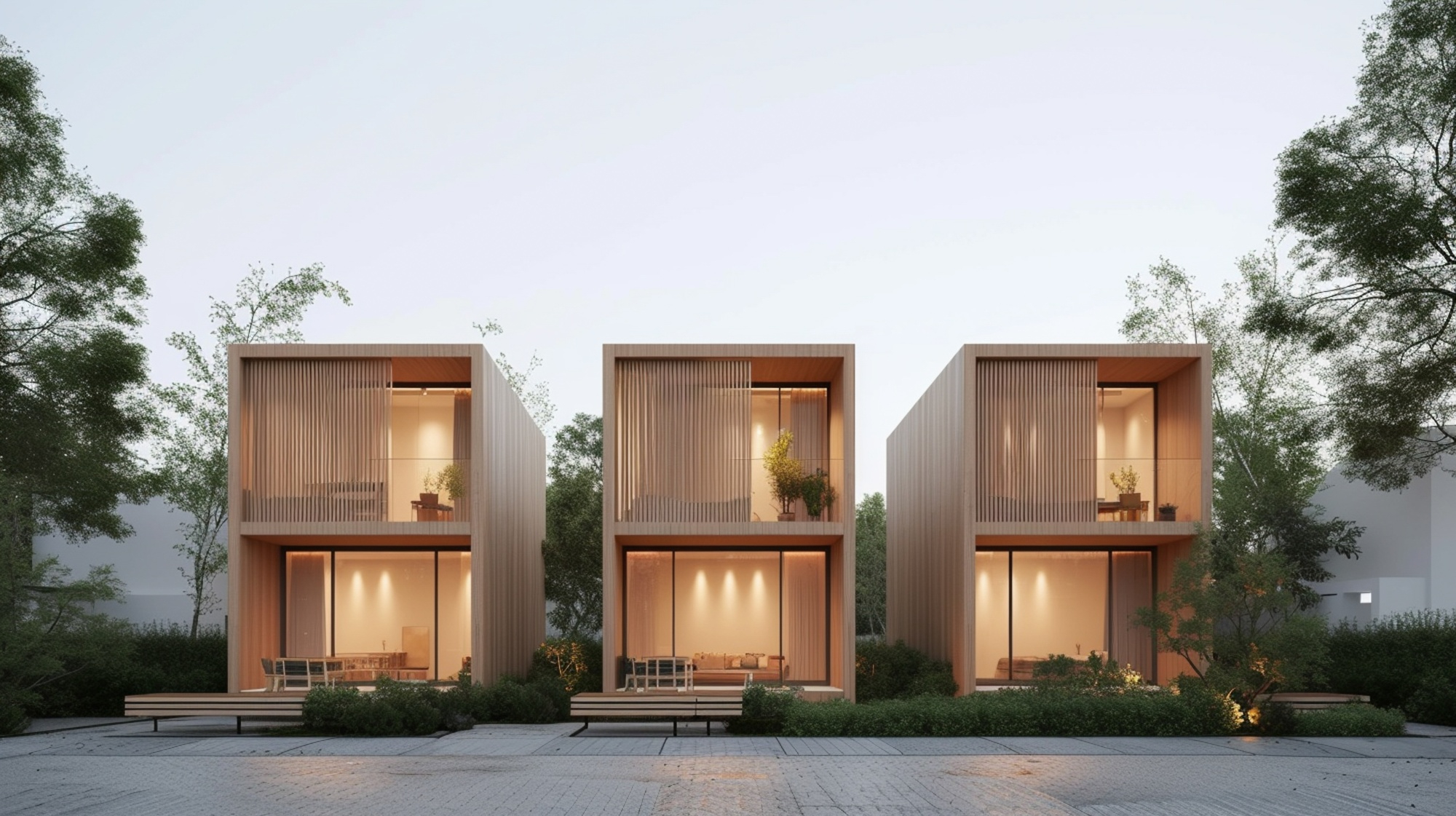
Modular construction naturally supports adaptability. Because homes are designed as systems rather than one-off structures, they can evolve in ways traditional buildings often cannot.
Modules can be added, rearranged, or reconfigured as needs change. A home office can become a bedroom. A compact home can expand to accommodate a growing family. Additional modules can be introduced without dismantling the entire structure.
This system-based approach allows homes to remain relevant longer, reducing the need for disruptive renovations or relocations.
One of the most valuable aspects of adaptable homes is their ability to support different life stages.
A home might begin as a compact residence for an individual or couple, then expand as a family grows. Later, spaces can be redefined as children move out or work-from-home needs change.
By anticipating these shifts, adaptable design ensures homes continue to serve their occupants instead of forcing them to move on.
Adaptability is not only about space — it’s also about performance. Homes designed to evolve must maintain comfort, efficiency, and durability over time.
High-performance building envelopes, efficient systems, and quality materials ensure that as a home changes, it continues to perform reliably. Factory-built precision helps maintain consistent quality, making future expansions or modifications more predictable and efficient.
Homes that adapt over time also reduce environmental impact. When buildings are designed to change rather than be replaced, fewer materials are wasted and fewer resources are consumed.
Expandable modular systems support sustainable living by extending a home’s lifespan and reducing the need for demolition or large-scale reconstruction. Adaptable design becomes not just a lifestyle choice, but a responsible one.
As housing needs become more diverse and unpredictable, adaptability will no longer be optional. Homes that can respond to change will offer greater value, comfort, and longevity.
Designing for adaptability means embracing systems, clarity, and foresight. It’s about creating homes that evolve alongside the people who live in them.
Homes should not be designed for a single chapter of life. They should be capable of supporting many.
Designing homes that adapt over time is about building flexibility into the foundation — through smart layouts, modular systems, and long-term thinking. When homes are designed to change, they remain relevant, efficient, and meaningful for years to come.

February 2, 2026

February 2, 2026