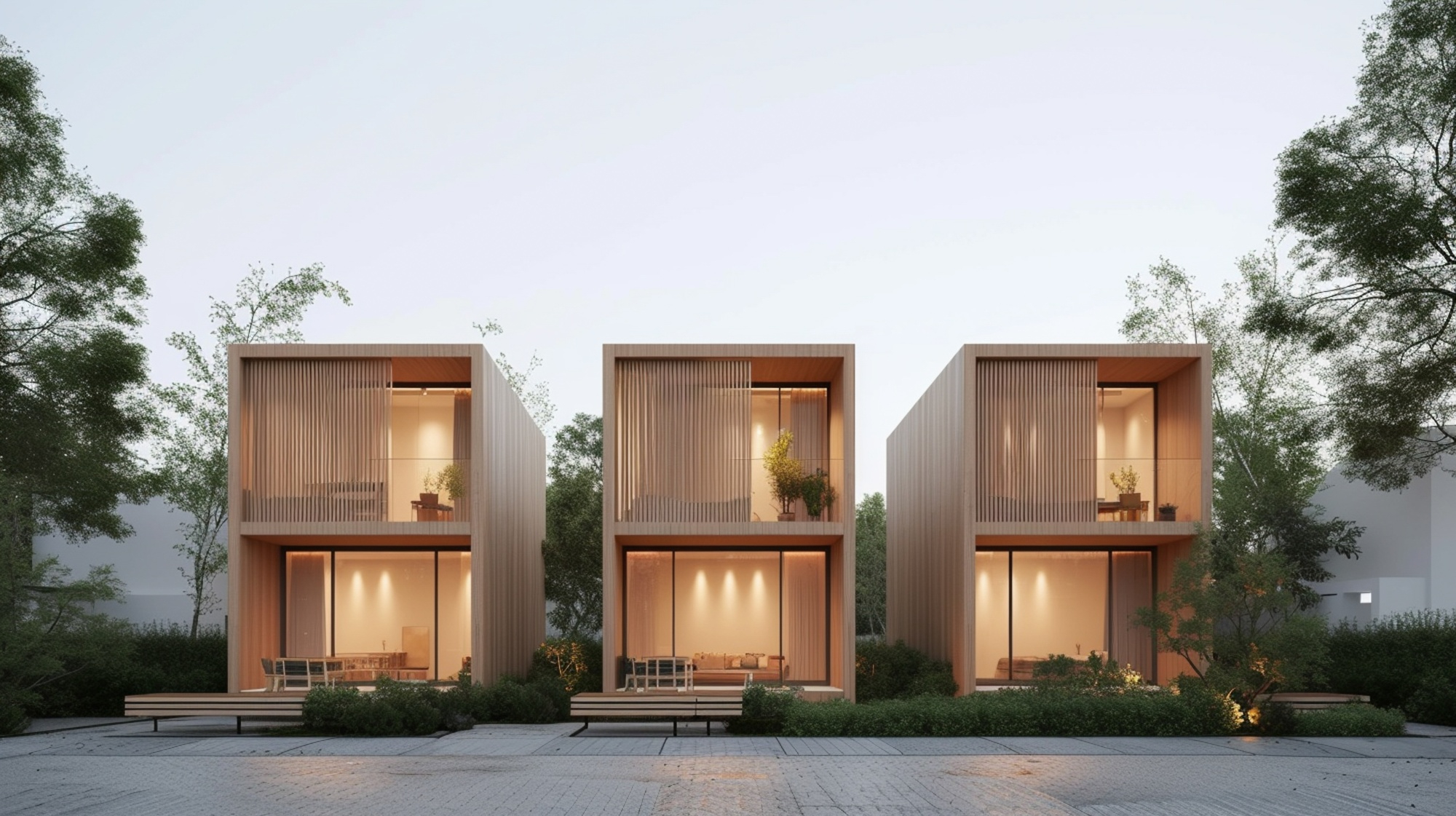
When sustainability in housing is discussed, the focus often shifts immediately to technologies — solar panels, smart systems, and energy-efficient appliances. While these elements are important, they are not where sustainability truly begins.
Sustainability starts with design. The way a home is planned, oriented, built, and used has a far greater impact on long-term environmental performance than any single add-on system.
The most sustainable home is one that needs less energy in the first place.
Thoughtful design reduces energy demand through:
By lowering the baseline energy needs, homes become more comfortable, efficient, and resilient — even before renewable systems are introduced.
Size plays a significant role in sustainability. Larger homes require more materials, more energy to build, and more energy to operate.
Smart design focuses on quality over quantity. Well-planned spaces, flexible layouts, and multifunctional rooms allow smaller homes to support modern living without compromise.
This approach reduces material use while maintaining comfort and functionality.
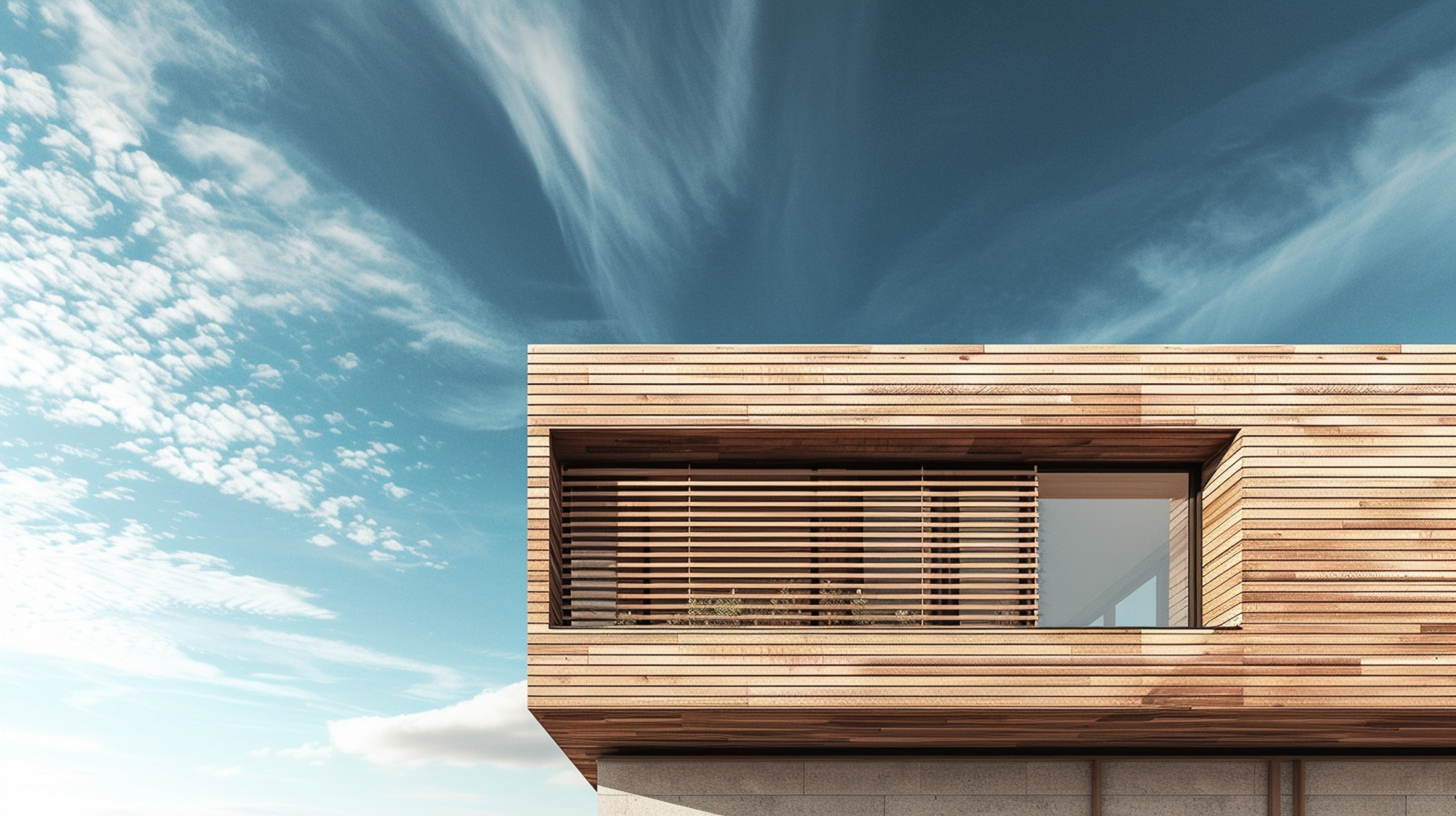
A sustainable home is one that lasts. High-quality materials, precise construction, and thoughtful detailing extend the lifespan of a building and reduce the need for repairs, replacements, or early demolition. Durable homes consume fewer resources over time and maintain their performance across decades.
Design decisions that prioritize longevity are among the most effective sustainability measures available.
Homes designed to adapt over time contribute to sustainability in a less obvious but equally important way. When a home can expand, reconfigure, or change function, it avoids the need for demolition or relocation.
Modular systems support this adaptability by allowing homes to evolve rather than be replaced. Fewer new buildings, fewer materials, and less waste all contribute to a lower environmental footprint.
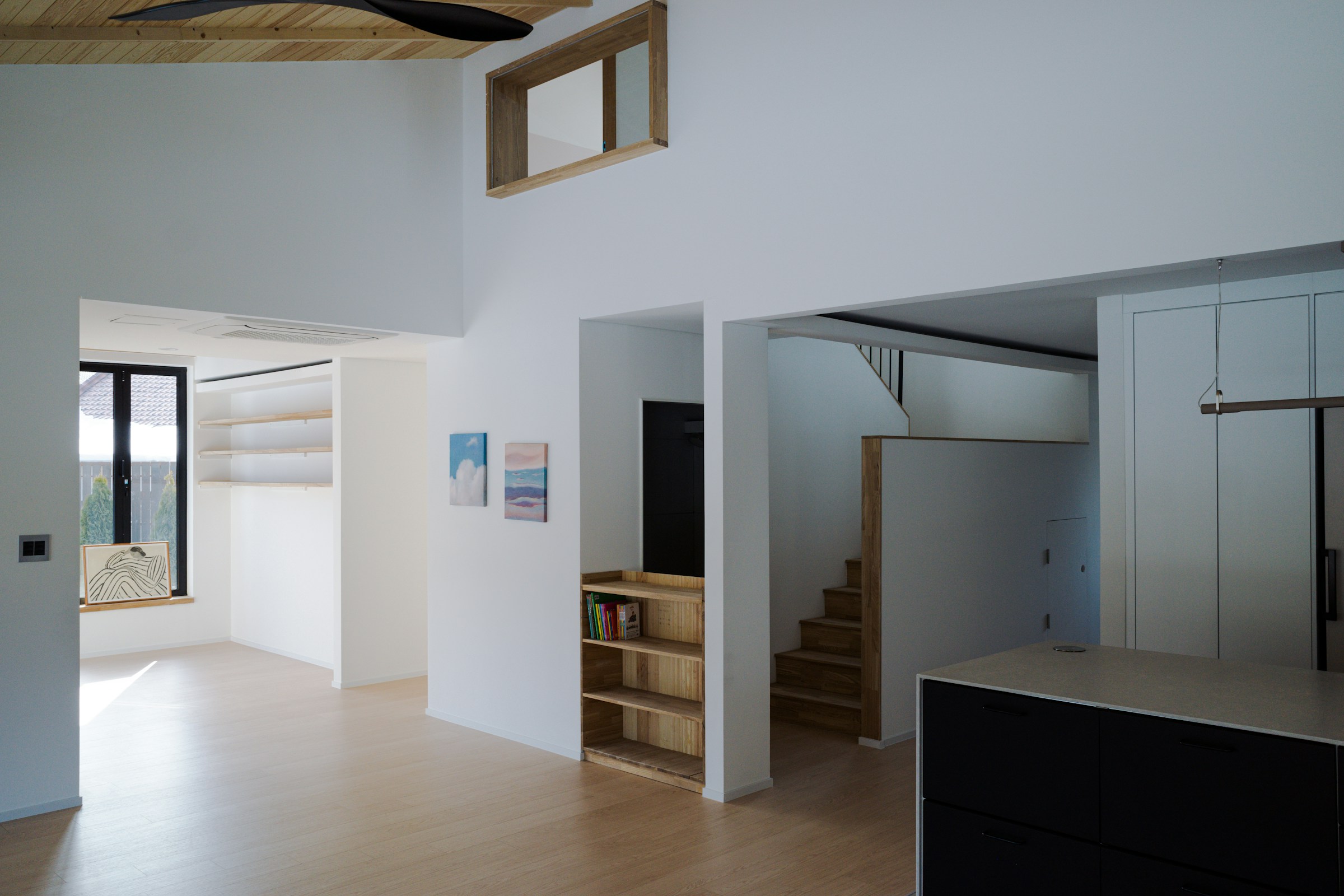
Smart design also influences how people live within their homes. Natural light, efficient circulation, and strong indoor–outdoor connections encourage healthier, more conscious living.
Homes that feel comfortable and intuitive reduce the desire for excess space, excess systems, and unnecessary upgrades.
Sustainability is not about following trends — it’s about making decisions that remain relevant over time. Homes must respond to changing climates, evolving technologies, and shifting lifestyles.
Designing with flexibility, performance, and longevity in mind ensures homes remain efficient and responsible long after construction is complete.
True sustainability is built into the foundation of a home, not added at the end. By prioritizing smart design — efficient layouts, high-performance envelopes, durable materials, and adaptable systems — homes can reduce their environmental impact while improving comfort and quality of life. Sustainability doesn’t start with technology. It starts with thoughtful design.