

.jpg)
The success of a tiny home depends entirely on design. Every decision — from layout to storage to window placement — must be intentional.
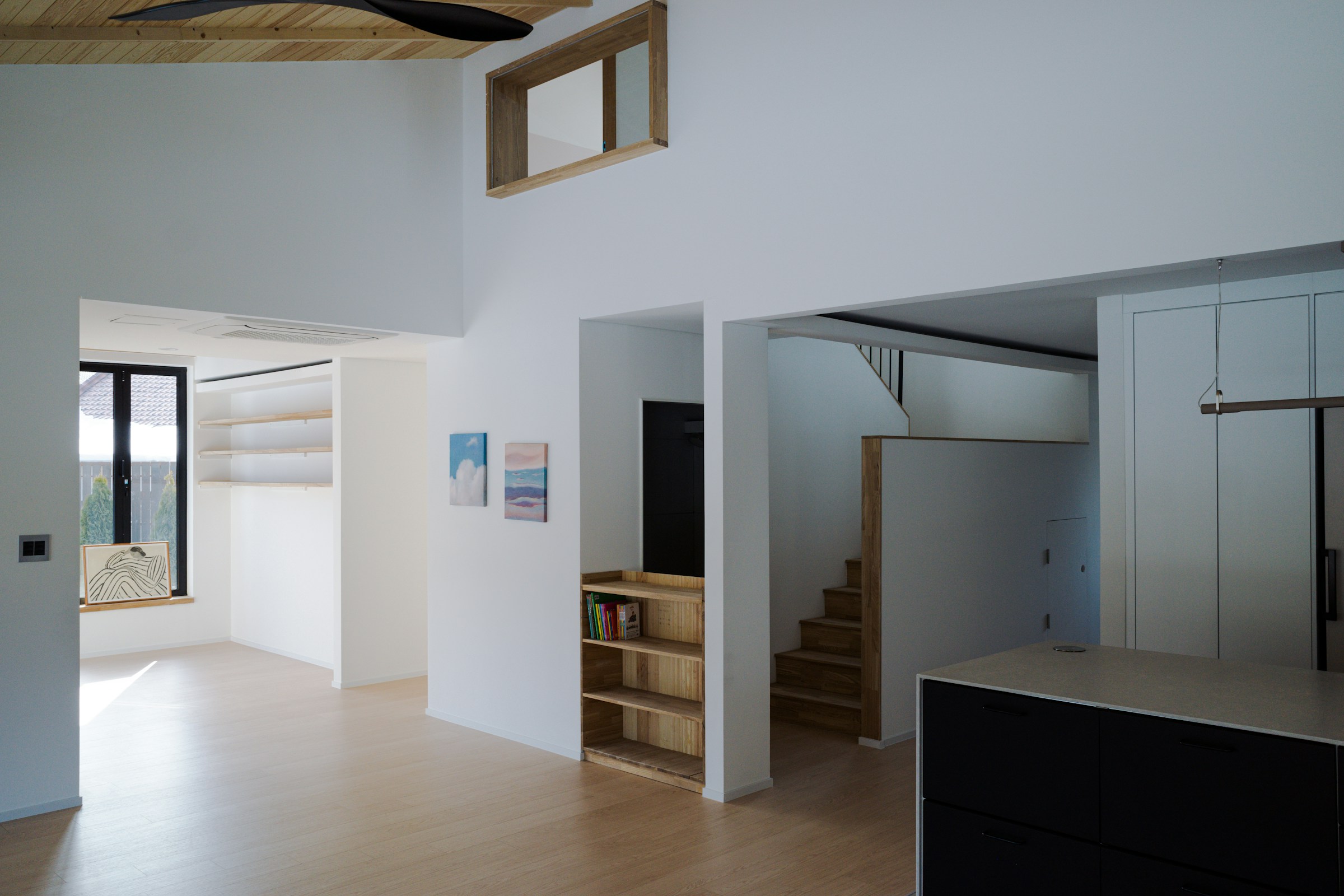
Rather than dividing space into many small rooms, modern tiny homes rely on open layouts and clearly defined zones. Living, cooking, sleeping, and working areas are carefully arranged to flow naturally into one another.
Built-in storage replaces bulky furniture, while multifunctional elements allow one space to serve multiple purposes throughout the day. The result is an interior that feels structured, calm, and surprisingly spacious.
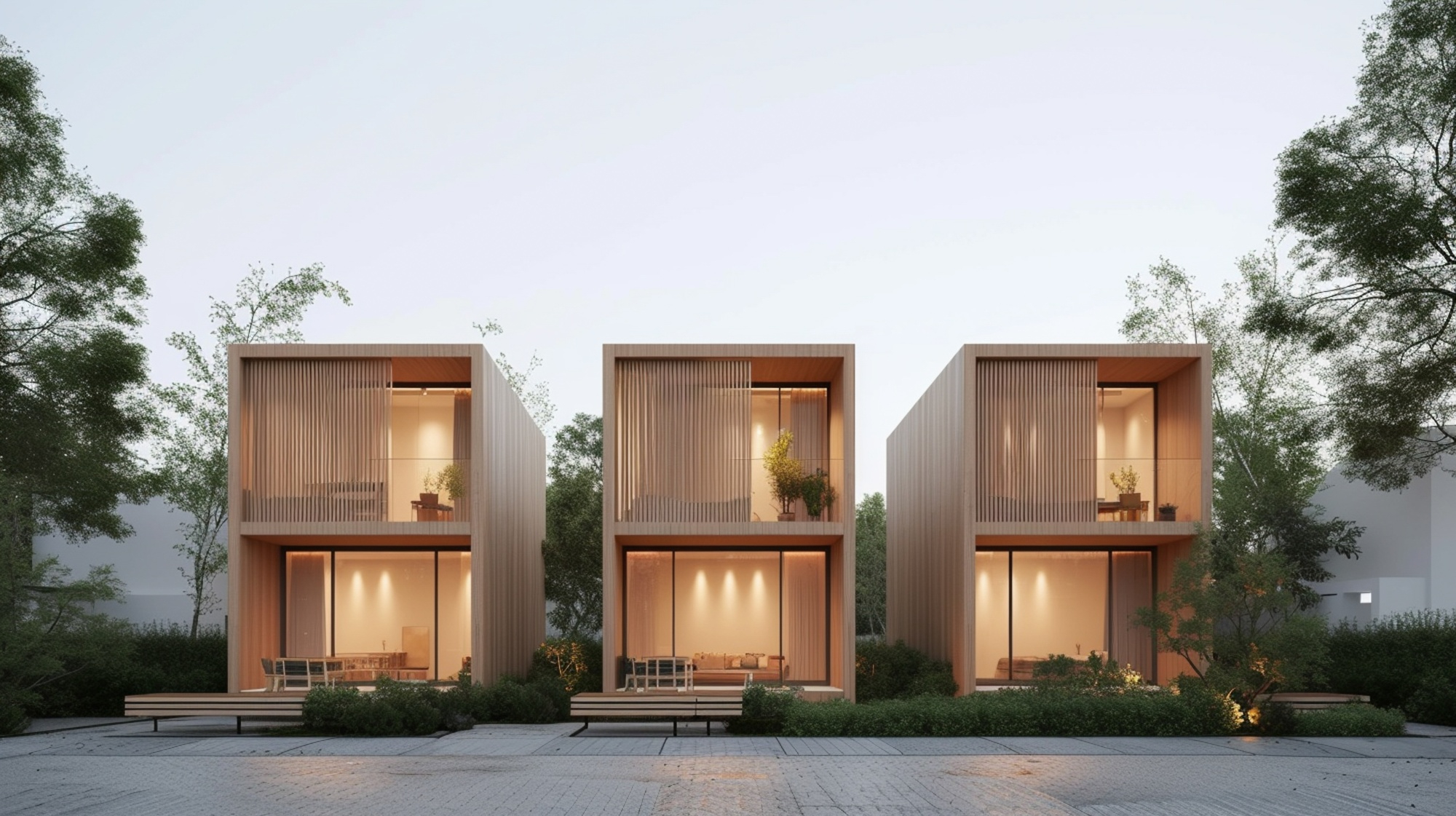
Natural light plays a crucial role in how a small space feels. Large windows, sliding doors, and well-placed openings bring daylight deep into the interior and visually extend the living area beyond the walls.
This connection to the outdoors is not only aesthetic — it changes how the space is experienced. Views of trees, landscapes, or open skies reduce the feeling of enclosure and create a sense of openness that far exceeds the home’s physical dimensions.
In many modern tiny homes, the boundary between inside and outside is intentionally blurred, allowing the home to feel larger, lighter, and more connected to its surroundings.
Living small does not mean living without comfort. Modern tiny homes are designed to meet the same performance standards as larger residences.
High-performance insulation, efficient glazing, and airtight construction ensure year-round comfort. Thoughtfully designed kitchens and bathrooms provide full functionality, while smart layouts support everyday routines without compromise.
By removing excess space rather than essential features, tiny homes offer a more focused form of comfort — one that supports daily life without unnecessary distraction.
Choosing a tiny home is often as much about lifestyle as it is about architecture. Smaller homes naturally encourage simpler living, reduced consumption, and greater awareness of how space is used.
This shift often leads to:
For many homeowners, living small creates space not inside the home, but in daily life — more time, fewer responsibilities, and greater flexibility. One of the key strengths of modern tiny homes is adaptability. These homes can function as primary residences, guest houses, studios, or remote retreats. Some are designed for permanent foundations, while others offer transportable or off-grid-ready configurations. This flexibility allows tiny homes to respond to changing needs over time, rather than being locked into a single purpose.
As housing needs evolve and environmental concerns grow, small-scale living continues to gain relevance. Tiny homes offer a practical response to rising costs, limited land, and the desire for more sustainable ways of living.
What makes modern tiny homes compelling is not their size, but their intelligence. They prove that thoughtful design can replace excess, and that living well does not require more — just better.
Living small is not about sacrifice. It’s about clarity. Modern tiny homes show that when design is intentional and space is used wisely, a smaller footprint can support a richer, more balanced way of life. By focusing on quality over quantity, tiny homes redefine what it means to live well — one carefully designed space at a time.

February 2, 2026

February 2, 2026
February 2, 2026


