

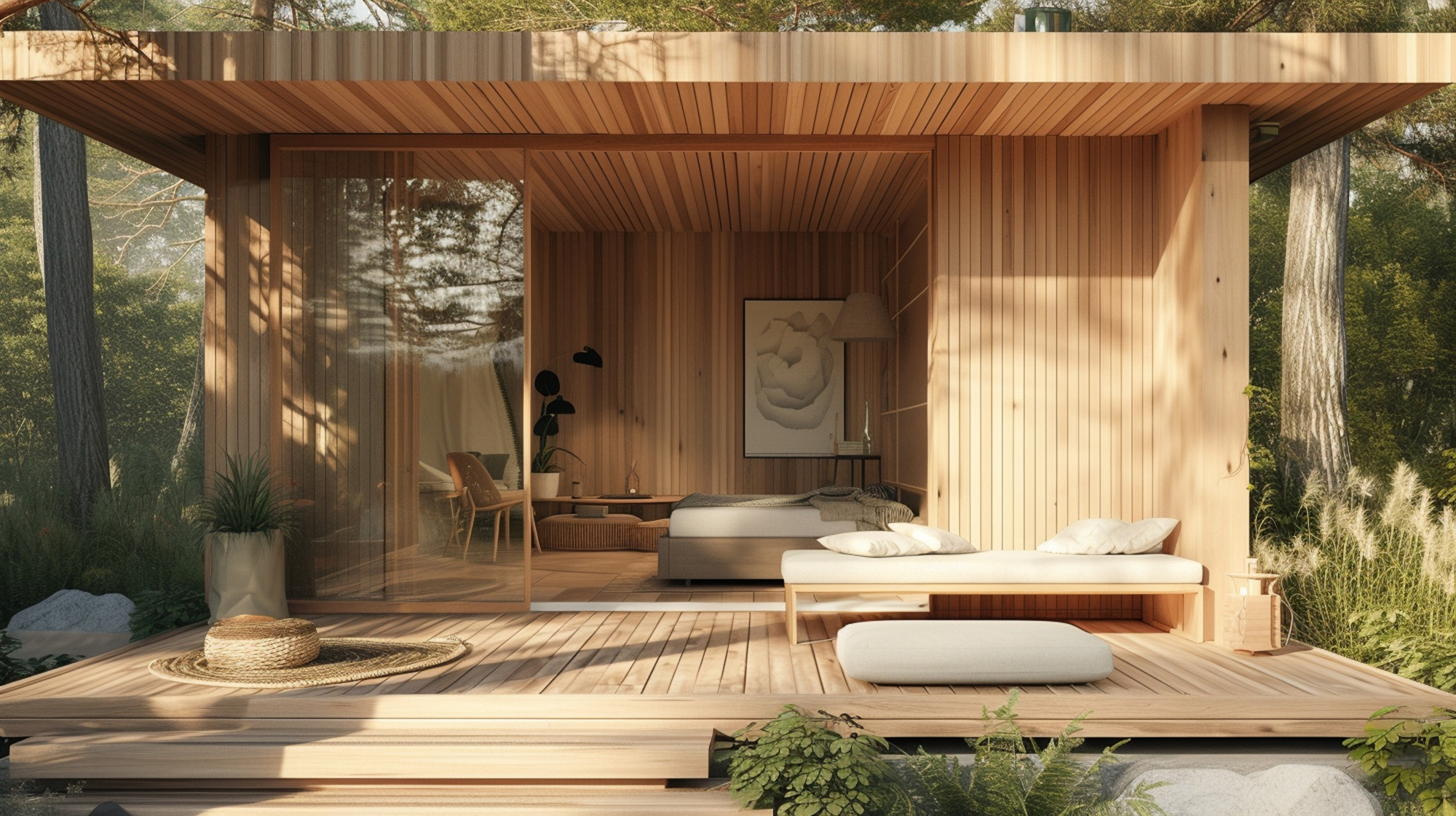
Modular construction fundamentally changes the building process by moving it from an outdoor construction site to a controlled factory environment. Instead of assembling a home piece by piece in the elements, entire sections — or modules — are constructed indoors with a focus on precision, consistency, and quality control.
Once completed, these modules are transported to the building site, where they are assembled into a complete home. This fundamental shift has significant implications for speed, quality, sustainability, and predictability in construction.
One of the most common misconceptions about modular construction is that speed comes at the expense of craftsmanship. In reality, the opposite is true.
Factory construction allows:
Because modules are built indoors, weather delays are eliminated and materials are protected from moisture, temperature swings, and exposure. The result is a home built faster — but also more accurately.
Traditional construction projects frequently grapple with a variety of unpredictable factors that can significantly impact their success. Elements such as inclement weather, fluctuations in labor availability, delays in material delivery, and varying site conditions can lead to unexpected challenges. These uncertainties often result in project timelines that are difficult to forecast and budgets that can rapidly spiral out of control.
In contrast, modular construction offers a compelling solution to these inherent risks. By integrating the design, engineering, and construction processes at the outset, modular construction allows for a more cohesive and streamlined approach. The manufacturing of building components takes place in a controlled factory environment, following a strict production schedule designed to ensure efficiency and timeliness.
This method not only minimizes the impact of external variables but also enhances predictability in project planning. With clearer timelines and budgets established from the beginning, stakeholders can proceed with greater assurance and peace of mind, significantly reducing the likelihood of unexpected hurdles throughout the construction process. Ultimately, modular construction fosters a more reliable and efficient building experience, empowering teams to focus on delivering high-quality results on schedule and within budget.
The way people live has changed. Homes now need to support remote work, flexible family structures, smaller footprints, and long-term adaptability. Modular construction is especially well suited to these needs.
Homes can be:
This flexibility allows homes to grow and evolve instead of becoming outdated or restrictive.
Modular construction represents more than just a passing trend; it is a strategic response to pressing challenges in the housing sector, particularly regarding affordability, sustainability, efficiency, and quality. In an era where traditional building methods often struggle to meet demand, modular construction offers innovative solutions that address these critical issues.
As technology, design principles, and manufacturing processes continue to advance, modular construction is set to become an integral part of the home-building landscape. This approach involves creating pre-fabricated sections of a building in a controlled factory environment, which are then transported and assembled on-site. This method not only streamlines construction timelines but also enhances precision and minimizes waste.
Importantly, the appeal of modular construction lies not solely in its speed or cost-effectiveness. It is fundamentally a smarter way to build. By utilizing advanced materials and techniques, this method often results in homes that are energy-efficient and environmentally friendly. Moreover, modular designs can be customized to reflect the needs and preferences of homeowners while adhering to stringent quality standards.
In conclusion, as the demand for sustainable and affordable housing options grows, the role of modular construction will expand, making it a key player in shaping the future of residential building.
Modular construction is revolutionizing the home-building industry by challenging traditional assumptions about how residences are constructed. This innovative approach not only enhances the clarity of the construction process but also promotes efficiency by minimizing waste and maximizing resource utilization. Instead of encountering common issues like delays and unforeseen costs, modular construction offers a streamlined and precise method that enables more reliable project timelines.
For homeowners seeking a contemporary, responsible, and sustainable way to build, modular construction represents more than just an alternative option — it is a superior path forward. By embracing this method, individuals can enjoy the benefits of high-quality craftsmanship, faster completion times, and the flexibility to customize their living spaces to suit modern lifestyles while also minimizing environmental impact. In a world increasingly focused on smart and sustainable living, modular construction stands out as a forward-thinking solution that meets the needs of today’s homeowners.

February 2, 2026

February 2, 2026
February 2, 2026


